Back to Blog
18.09.2026
Factors Affecting Fire Risk in Electric Vehicles
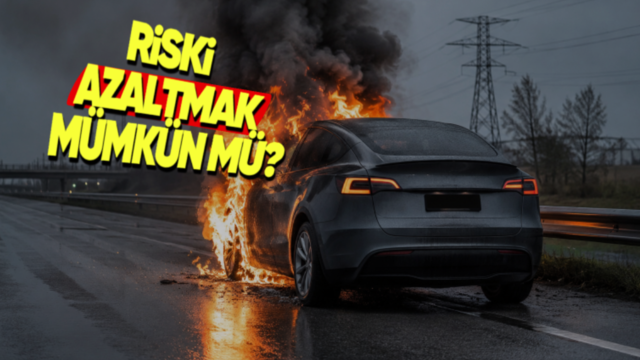
While the popularity of electric vehicles (EVs) continues to grow daily, vehicle safety—particularly battery-related risks—remains a primary focus of the automotive world. Featuring a different architecture compared to traditional internal combustion engine vehicles, electrical systems bring their own unique potential hazards.
One of the primary factors negatively impacting safety levels in electric vehicles is physical damage to the battery cells. Impacts to the underbody can lay the groundwork for internal cell short circuits. Furthermore, potential flaws in manufacturing quality, overcharging cycles, and malfunctions in the battery cooling system can trigger an uncontrolled temperature increase known as thermal runaway. This situation leads to the sequential ignition of cells, creating challenging firefighting scenarios.
To minimize these risks, the engineering community continuously develops new safety protocols. Advanced Battery Management Systems (BMS) monitor cell temperature and voltage in real-time, detecting potential anomalies before they pose a hazard. Additionally, specialized flame-retardant materials used in battery packs and robust crash-absorbing structural designs preserve cell integrity by absorbing external physical stress. Software-based thermal management mechanisms also play a critical role in preventing overheating.
In conclusion, proper technological equipment and regular maintenance processes keep the safety standards of electric vehicles at the highest level.
Critical Elements Increasing Fire Risk
One of the primary factors negatively impacting safety levels in electric vehicles is physical damage to the battery cells. Impacts to the underbody can lay the groundwork for internal cell short circuits. Furthermore, potential flaws in manufacturing quality, overcharging cycles, and malfunctions in the battery cooling system can trigger an uncontrolled temperature increase known as thermal runaway. This situation leads to the sequential ignition of cells, creating challenging firefighting scenarios.
Technological Approaches Enhancing Safety
To minimize these risks, the engineering community continuously develops new safety protocols. Advanced Battery Management Systems (BMS) monitor cell temperature and voltage in real-time, detecting potential anomalies before they pose a hazard. Additionally, specialized flame-retardant materials used in battery packs and robust crash-absorbing structural designs preserve cell integrity by absorbing external physical stress. Software-based thermal management mechanisms also play a critical role in preventing overheating.
In conclusion, proper technological equipment and regular maintenance processes keep the safety standards of electric vehicles at the highest level.